
Piano w/ solo string instrument
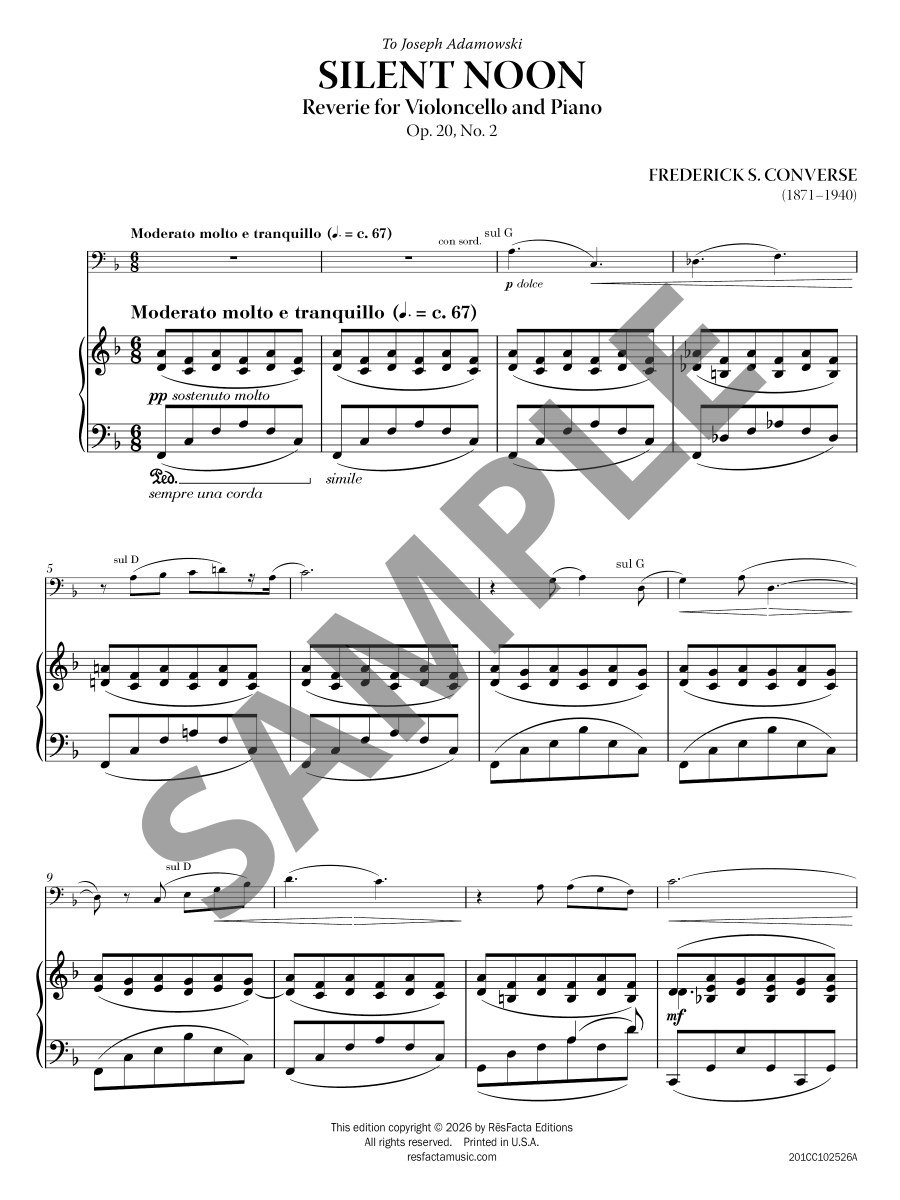
In Silent Noon: Reverie for Violoncello and Piano, Frederick Shepherd Converse (1871–1940) transforms a poetic meditation on love and tranquility into music of lyrical tenderness. Originally composed as a song for low voice and piano (Op. 20, No. 2), setting Dante Gabriel Rossetti’s sonnet Silent Noon, the instrumental arrangement was published in 1906 by the Boston Music Company and dedicated to cellist Joseph Adamowski.
Rossetti’s poem, published in Ballads and Sonnets (1881) as part of The House of Life, portrays two lovers sharing a moment of stillness in a sunlit meadow. Its closing line, “When twofold silence was the song of love,” captures the intimacy that underlies Converse’s music. The cello assumes the human voice’s expressive role, conveying the poetry’s tenderness without words.
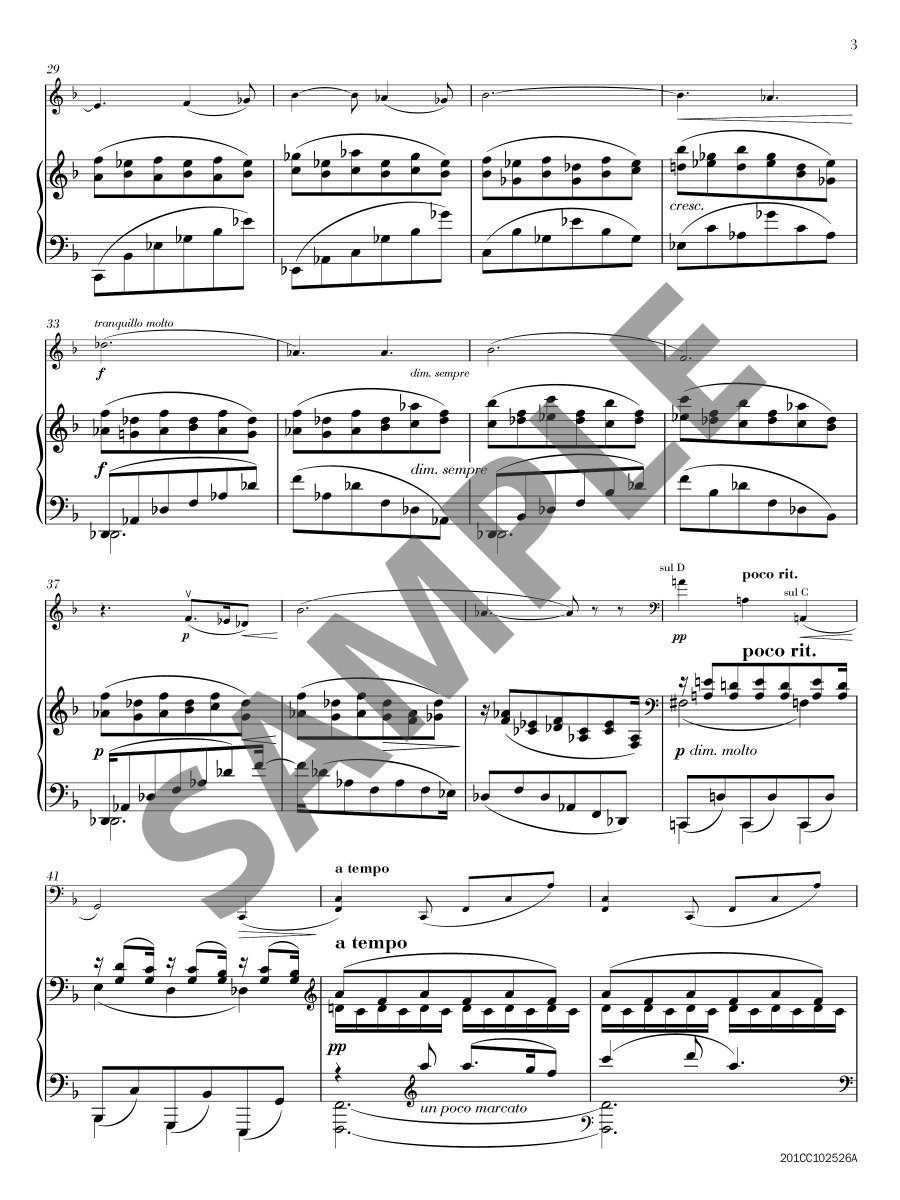
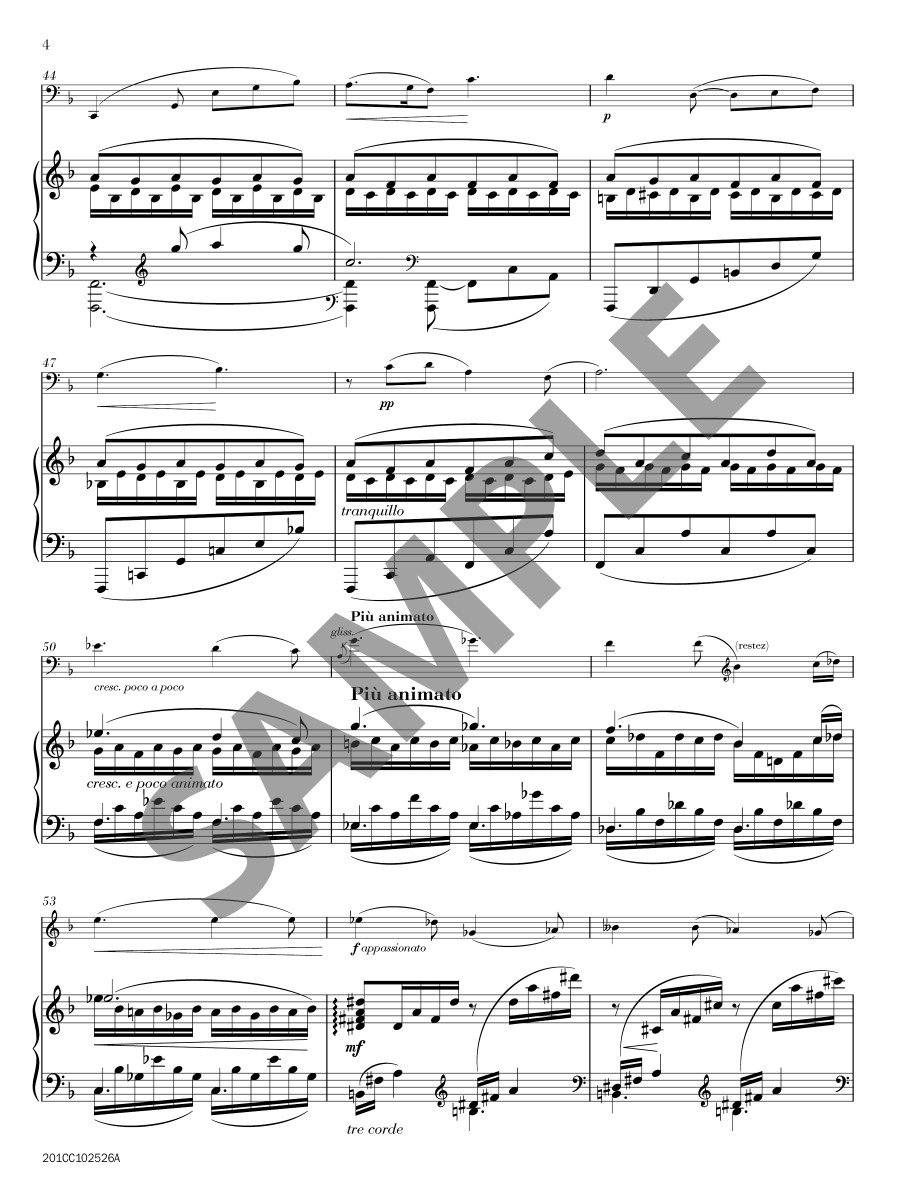
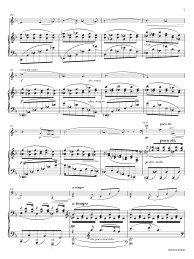
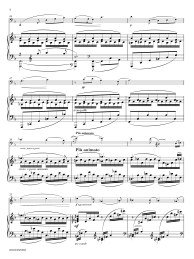
Marked Moderato molto e tranquillo (very moderate and tranquil), the work opens with softly flowing piano arpeggios beneath a tender, sustained melody in the muted cello. Chromatic harmonies and increasingly passionate phrases introduce emotional intensity before the music returns to tranquility, concluding softly with a high cello harmonic.
A student of George Whitefield Chadwick and Josef Rheinberger, Converse taught at Harvard University and the New England Conservatory, later serving as the latter’s dean. Although best remembered for his orchestral works and operas, he possessed a gift for intimate expression. Blending Romantic art-song lyricism with the cello’s tonal warmth, Silent Noon offers a musical reflection on Rossetti’s vision of love beyond words.

